
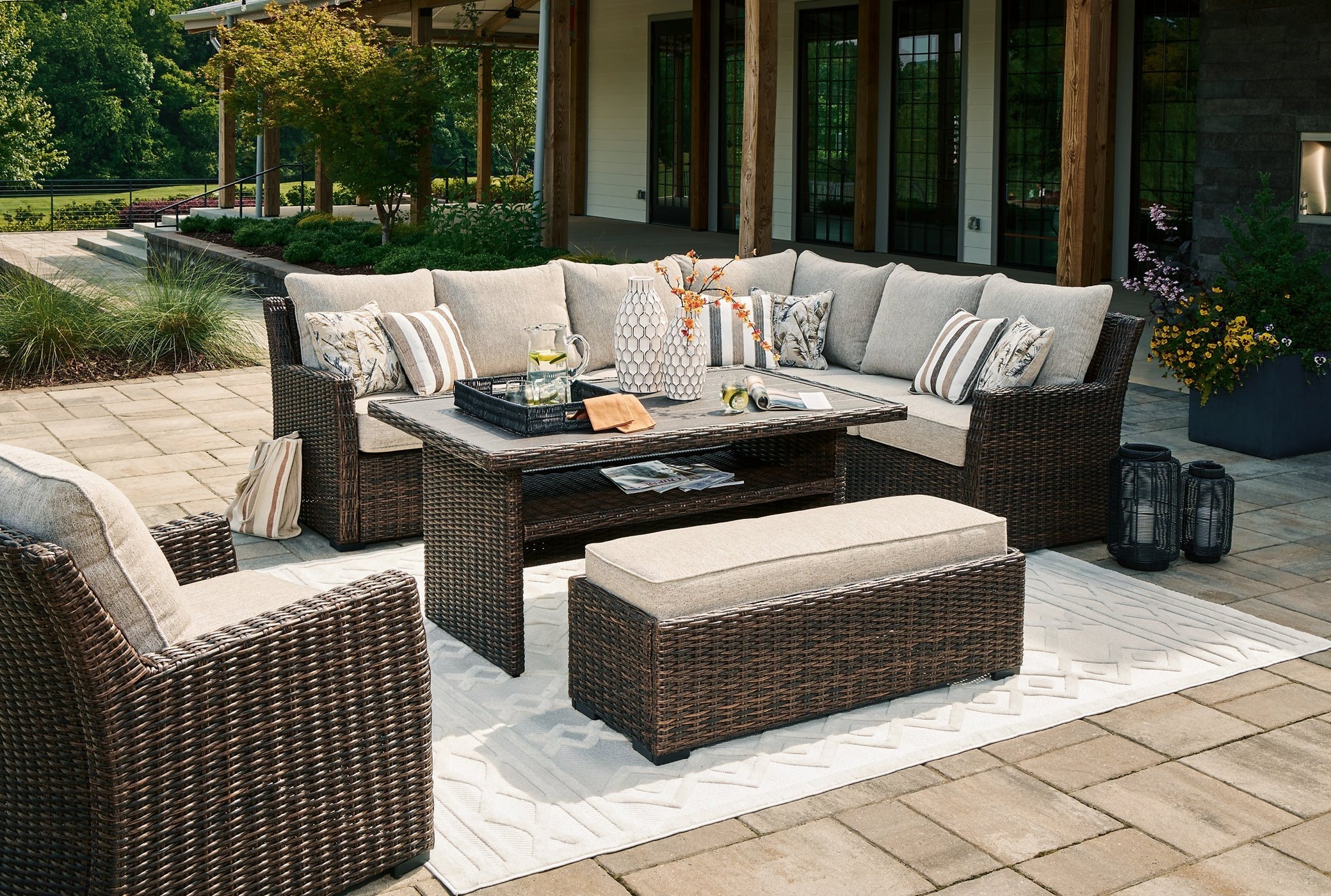
Outdoor furniture has to do three jobs at once: be comfortable, look good, and survive the climate. Most sets do one or two well and fail at the third. At S&S Furniture Gallery (Irvington,NJ) in Irvington, NJ, our outdoor collection is built around materials that hold up to real weather — aluminum, teak, wicker, and weather-resistant fabrics. This guide walks through how to pick a set that lasts, how to lay out a patio so it actually gets used, and what to do at the end of each season.
Pick the Material First
Material decides almost everything else about outdoor furniture — how long it lasts, how heavy it is, how much maintenance it needs, and how it looks. The four common options:
- Aluminum. Lightweight, rust-proof, low-maintenance, modern look. Powder-coated aluminum is the standard for most mid-range patio sets. Holds up well in coastal areas where steel rusts.
- Teak. Premium hardwood that ages from honey-brown to silver-gray when left untreated. Naturally weather-resistant; lasts decades with minimal care. Heavier and more expensive than aluminum.
- Wicker (resin / all-weather). Plastic woven over an aluminum or steel frame. Modern resin wicker survives sun and rain that would destroy natural wicker in one season. Comfortable and casual.
- Steel (wrought iron, tubular steel). Heavy, durable, traditional look. Requires powder-coating or paint to prevent rust; needs touch-ups in coastal or wet climates.
If you live somewhere with snow and freeze-thaw cycles, prioritize materials that handle moisture (aluminum, teak, resin wicker). If you live somewhere coastal, avoid raw steel and untreated wood. If you live somewhere very sunny, look for fade-resistant fabrics and finishes — UV does more long-term damage than any other weather factor.
Cushions and Outdoor Fabrics
The frame is what lasts decades; the cushions are what wear out. The good news is that quality outdoor cushions have come a long way.
- Solution-dyed acrylic (Sunbrella and similar) is the gold standard — fade-resistant, mildew-resistant, easy to clean, dries quickly. Most quality outdoor sets ship with this fabric.
- Polyester outdoor fabric is more affordable but fades faster and resists stains less. Acceptable for shaded patios.
- Quick-dry foam cushion cores prevent the soggy-cushion problem. Pick this for any covered space that still gets rain.
Plan to replace cushions roughly every five to seven years. The frames last much longer if you take care of them.
Layout: Build Zones, Not Furniture Lists
The most common patio mistake is buying a set without a plan and then scattering pieces around the space. Better approach: divide the patio into zones, then furnish each one.
Common zones:
- Dining zone. Outdoor table and chairs near the grill or kitchen access. Plan for the same seating clearance as indoors — 30+ inches behind chairs.
- Lounge zone. Sofas, loveseats, or deep-seating chairs with a coffee table. The "outdoor living room."
- Conversation zone. Two or four chairs around a fire pit or low table. Smaller scale; conversational distance.
- Shade zone. An umbrella, pergola, or covered area where the sun gets harsh in the afternoon.
Most patios have room for two or three of these zones. Plan the layout before you shop and you'll buy the right number of pieces — and avoid the overcrowded patio that nobody uses because it's awkward to move through.
Seasonal Care: How to Make It Last
Even the best outdoor furniture lasts longer with basic seasonal care.
Spring setup:
- Wash frames with mild soap and water.
- Inspect for any damage from winter (loose joints, fabric tears).
- Touch up paint or finish on steel frames where rust has started.
- Check umbrella mechanisms before opening for the first time.
During the season:
- Hose off cushions monthly to prevent dirt buildup.
- Move cushions inside (or cover them) if a heavy storm is coming.
- Tighten any loose hardware as you notice it — a wobble fixed early is a wobble that doesn't become structural damage.
End of season:
- Clean cushions thoroughly before storage.
- Cover or store furniture if you're somewhere with hard winters. A good cover or indoor storage doubles the lifespan of most sets.
- Drain and store any water features, fountains, or hose connections to prevent freeze damage.
The single biggest factor in how long outdoor furniture lasts is whether it gets covered or stored in the off-season. A $2,000 set that lives outside uncovered for ten years looks like a $400 set by year three. The same set covered each winter still looks new at year ten.
Stop by our showroom at 976 Springfield Ave, Irvington, NJ 07111 to see our full outdoor collection in person — checking the weight of frames and the feel of fabrics tells you more than any photo. We carry ACME East, Ashley Furniture, Coaster Z2 Premium, DreamCloud, FOA East, Global Furniture USA, and we deliver throughout the Irvington area. Browse outdoor furniture online, see outdoor seating for lounge sets, or check out outdoor dining. Have questions? Visit our FAQ or call us at 9733992300.
Next read: How to Care for Leather Furniture (and Make It Last) — care principles for indoor pieces that get used hard. Financing options available. Or visit our store.